Plastic Free July

Have you heard of Plastic Free July? It started as a small movement in 2011 in Australia and has since expanded to over 150 cities with millions of participants. Plastic Free July aims to challenge people to not use any single-use plastics during the month in hopes to help them form more sustainable habits that will carry on beyond July.

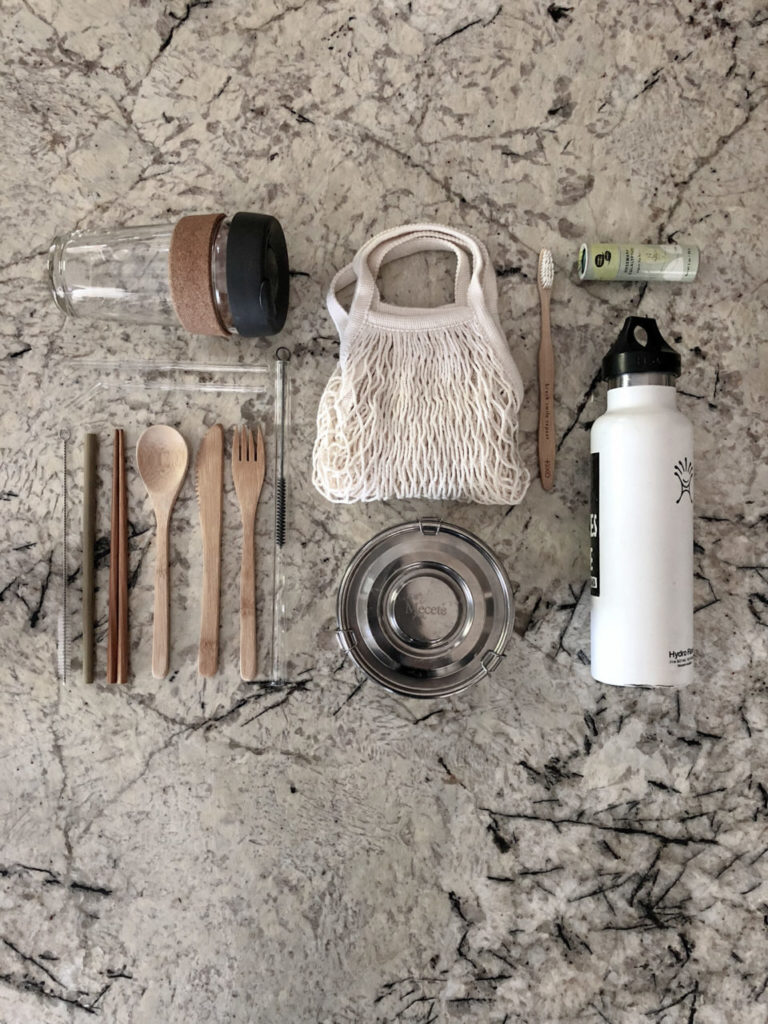
  • BYOC (Bring Your Own Cup) – it can be a reusable cup, thermos, or even a mason jar.
  • Say no to plastic straws – adopt the phrase “no straw please” when ordering a drink and get yourself a reusable option like a stainless steel, bamboo, glass, or silicone straw for sipping.
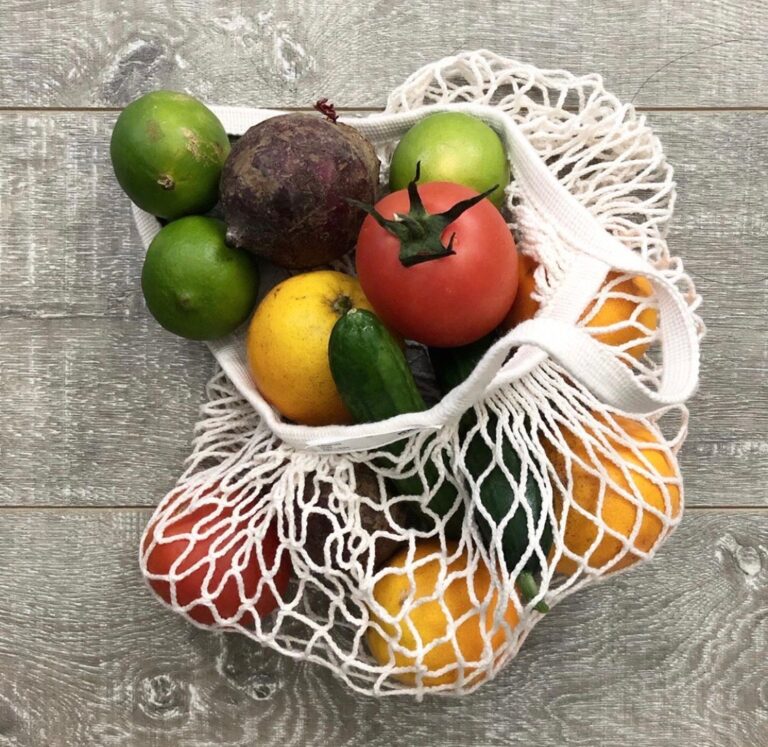
  • Bring reusable bags – always keep one in your car or your bag because you never know when you’ll need one.
  • Reusable water bottle – I feel like everyone owns one (or even multiple) of these. Train yourself to bring it with you everywhere you go.
  • Bamboo toothbrush – easiest personal hygiene swap.
  • Bamboo utensils – they’re lightweight so it’s easy to carry them around. Keep them handy for snacking.
  • Stainless steel container – pack your lunch for work or a snack for on the go, bring leftovers home, or buy bulk with these containers to cut down on plastic and styrofoam waste.
  • Sustainable packaging chapstick – okay, technically not single use but we go through chapstick so quickly and the plastic container mostly ends up in landfill. Bonus point: it’s all natural, non-toxic!

You can choose just one or two single-use plastics to refuse for the entire month (and/or beyond). A small change makes a big impact.

Similar Posts

  • Plastic, paper, reusable. What kind of bag should you choose?

    Plastic bags are derived from petroleum. Petroleum is a finite resource, and as it becomes increasingly limited, obtaining it becomes increasingly damaging to the environment. It is estimated that about 12 million barrels of oil are used in making the plastic bags used in the US annually. Majority of plastic bags end up as deadly…

  • Reusable food wrap

    One household will go through about 24 (standard) rolls of saran wrap per year! Which translates to about 9,600 feet of plastic! Plastic wraps harms the environment and our health Most plastic wraps are now made with low-density polyethylene (LDPE) or polyvinylidene chloride (PVDC). LDPE and PVDC don’t adhere as well as plastic wraps made…

  • |

    My low waste journey

    My low waste journey started out by accident. I found the low waste movement through my love for the Earth and obsession with ‘saving the planet.’ Ever since I was a little girl, I’ve always been very conscious of preserving natural resources, protecting our biodiversity, and leaving a small carbon footprint. This stems from two…

  • Secondhand September

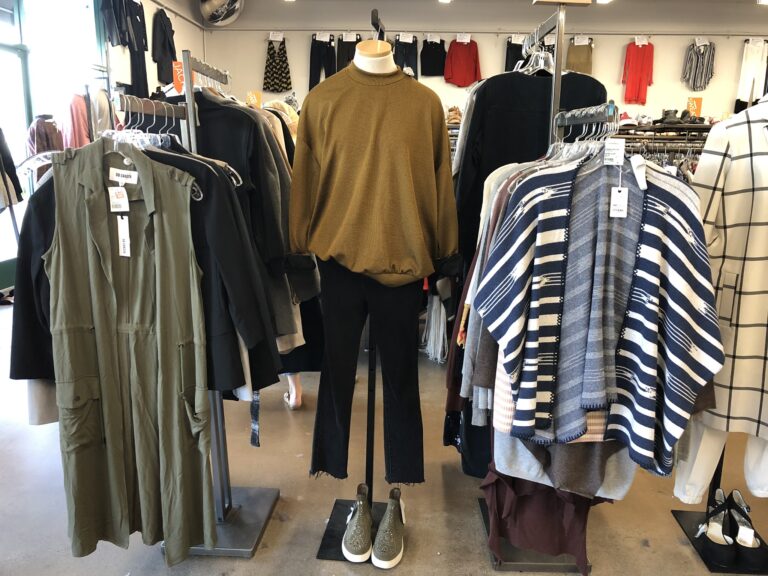
    I don’t shop much, but when I do I always try to go secondhand first. Why? Because the apparel and footwear industries account for 8-10% of global greenhouse gas emission (more than air travel and shipping combined! yikes!). In fact, it is the second largest polluter in the world, just after the oil industry. 108…

  • Upcycled plastic fashion trend

    Many fashion brands are now using plastic water bottles or other upcycled plastic sources for their clothing. If you’re thinking, ‘Great! There’s a more responsible option.’ I’m sorry to burst your bubble. Clothing made from any kind of plastic do more harm for the environment than good. How does it do more harm than good?…