Plastic, paper, reusable. What kind of bag should you choose?
Plastic bags are derived from petroleum. Petroleum is a finite resource, and as it becomes increasingly limited, obtaining it becomes increasingly damaging to the environment. It is estimated that about 12 million barrels of oil are used in making the plastic bags used in the US annually. Majority of plastic bags end up as deadly waste in landfills and the ocean because people don’t dispose of them responsibly. Birds often mistake shredded plastic bags for food, filling their stomachs with toxic debris. For hungry sea turtles, it’s nearly impossible to distinguish between jellyfish and floating plastic shopping bags. Fish eat thousands of tons of plastic a year, transferring it up the food chain to bigger fish, marine mammals, and humans.

What about paper bags? Many studies find that paper bags are actually worse for the environment. It takes more than 4 times the energy to manufacture a paper bag than it does a plastic bag. They require cutting down and processing trees (14 million trees are cut down to produce the 10 billion paper grocery bags used by Americans each year), which involves lots of water, toxic chemicals, fuel, and heavy machinery.

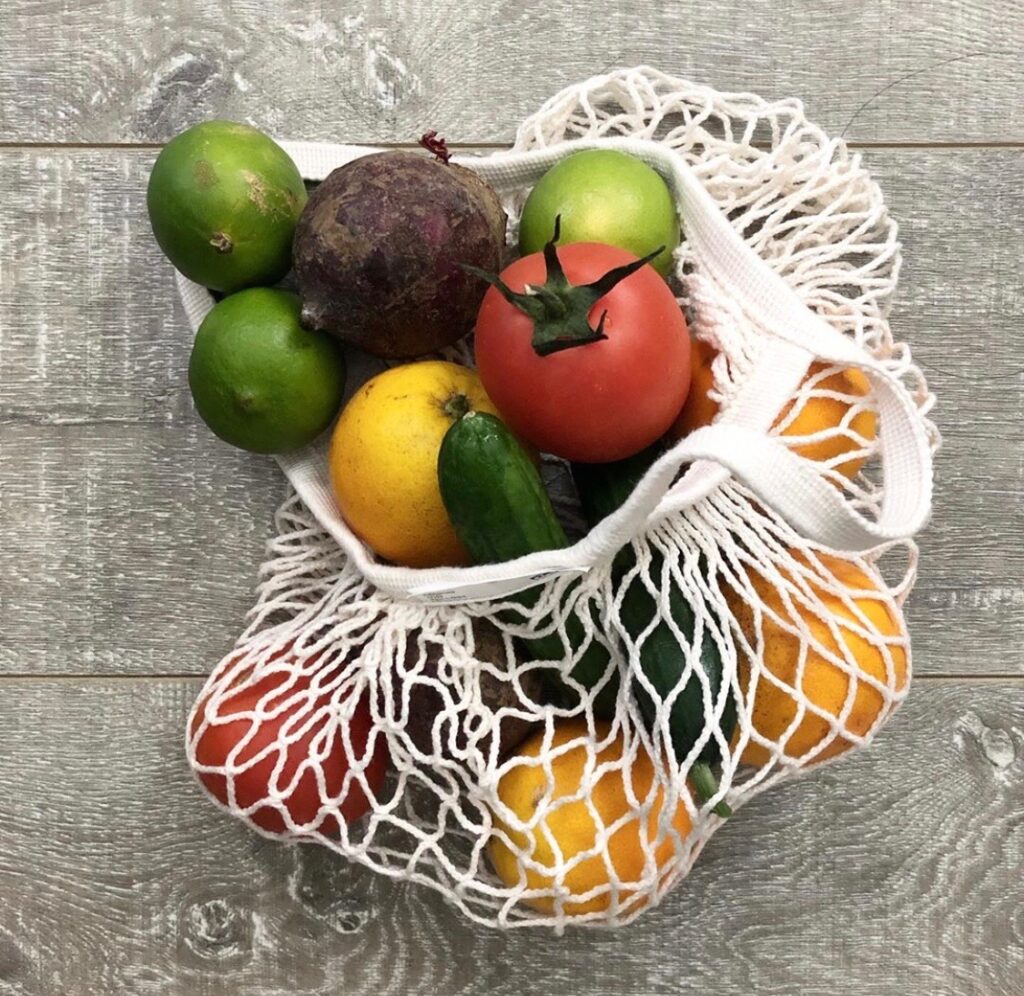
Reusable cotton bags are a good option, but you have to be committed to using them. This goes for both shopping bags and produce bags. Choose organic cotton whenever possible and only get as many as you need. Remember, going zero waste isn’t about going out and buying everything. After all, minimalism is a part of being more sustainable.
Similar Posts

  • |

    My low waste journey

    My low waste journey started out by accident. I found the low waste movement through my love for the Earth and obsession with ‘saving the planet.’ Ever since I was a little girl, I’ve always been very conscious of preserving natural resources, protecting our biodiversity, and leaving a small carbon footprint. This stems from two…

  • Secondhand September

    I don’t shop much, but when I do I always try to go secondhand first. Why? Because the apparel and footwear industries account for 8-10% of global greenhouse gas emission (more than air travel and shipping combined! yikes!). In fact, it is the second largest polluter in the world, just after the oil industry. 108…

  • Upcycled plastic fashion trend

    Many fashion brands are now using plastic water bottles or other upcycled plastic sources for their clothing. If you’re thinking, ‘Great! There’s a more responsible option.’ I’m sorry to burst your bubble. Clothing made from any kind of plastic do more harm for the environment than good. How does it do more harm than good?…

  • Plastic Free July

    Have you heard of Plastic Free July? It started as a small movement in 2011 in Australia and has since expanded to over 150 cities with millions of participants. Plastic Free July aims to challenge people to not use any single-use plastics during the month in hopes to help them form more sustainable habits that…

  • Reusable food wrap

    One household will go through about 24 (standard) rolls of saran wrap per year! Which translates to about 9,600 feet of plastic! Plastic wraps harms the environment and our health Most plastic wraps are now made with low-density polyethylene (LDPE) or polyvinylidene chloride (PVDC). LDPE and PVDC don’t adhere as well as plastic wraps made…