My low waste journey
My low waste journey started out by accident. I found the low waste movement through my love for the Earth and obsession with ‘saving the planet.’ Ever since I was a little girl, I’ve always been very conscious of preserving natural resources, protecting our biodiversity, and leaving a small carbon footprint. This stems from two main sources: my parents and my love for science and nature.
Learning through volunteering
As I got older, I wanted to take action and do what I can to help the earth so I started volunteering. Through volunteering I learned about things like: trail preservation, ocean acidification, wildlife conservation, soil erosion, humanitarian issues that stem from environmental degradation, and the list goes on. I even changed my diet to lower my carbon footprint. I stopped eating meat and switched to a plant based diet a little over a decade ago.
During one volunteer event in 2014, I was talking to a few other volunteers about recycling and how difficult it is (if not impossible) to recycle certain types of plastics. This blew my mind and made me so sad! I’ve always recycled and been a huge advocate for recycling.
I came home that night and started researching this topic which led me to the low waste movement. Over the next few months, I was reading so many blogs and articles on low waste living. Now, usually I would jump right in and go full throttle, completely changing my lifestyle. However, I read a couple of interesting suggestions on starting slow, taking time to evaluate your current lifestyle and to take an inventory on your trash to decide what’s practical for you. Living a low waste lifestyle isn’t about being perfect. So, I did just that.
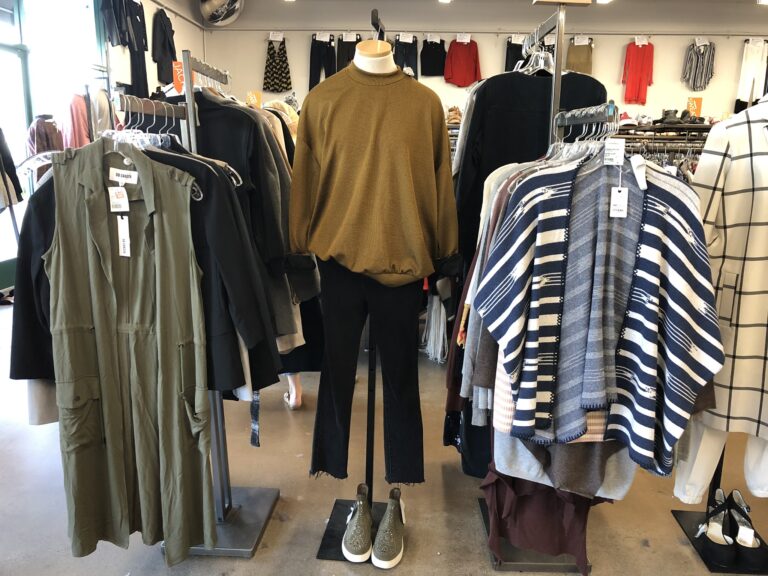
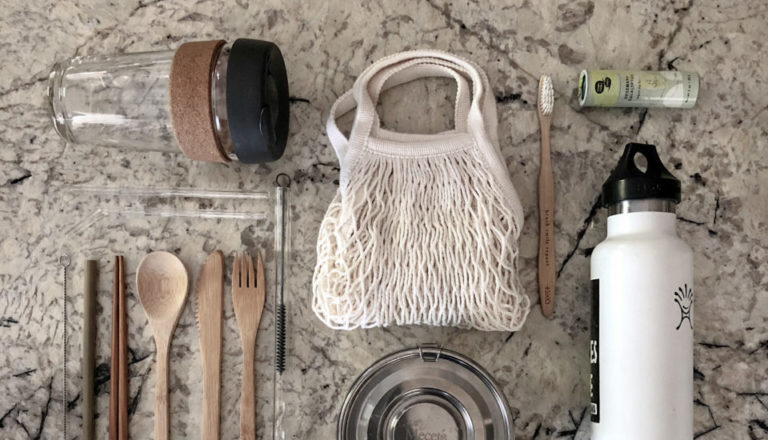
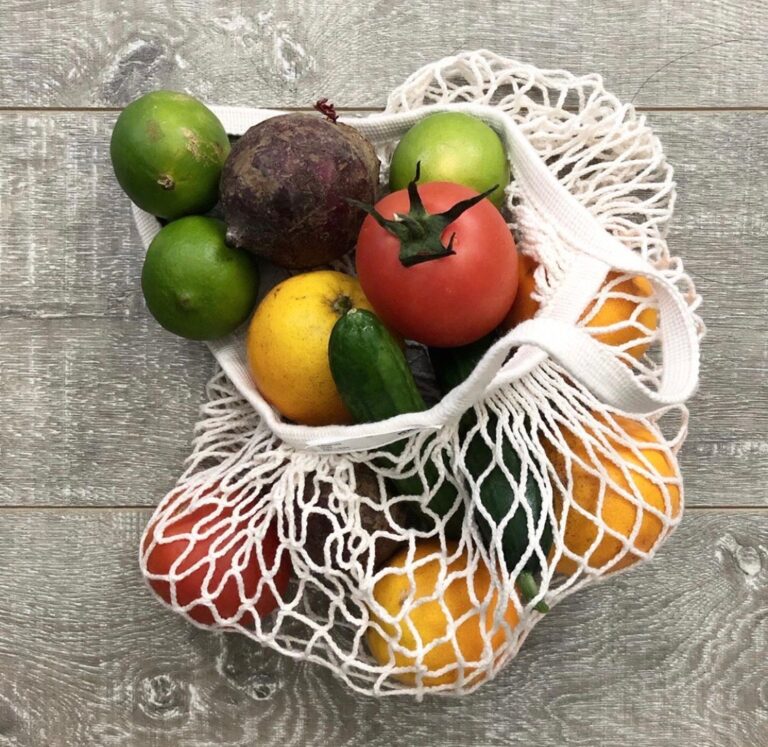
At this point in my life, I was already refusing many single use plastics, bringing my own bags to the grocery store, shopping second hand, composting, using all natural vegan products, traveling sustainably. So I decided that first, I will do these things better. Then, little by little I started incorporating more low waste swaps into my life and I’m so glad that I chose this route.
In January 2019, I started my keepearthpretty Instagram account to spread awareness about sustainability and to hold myself accountable for living a lifestyle that’s more aligned with my values. Lucky me, I’ve met so many incredible people on there who are so inspirational and supportive. I’m so grateful for the community and for each and every account I’ve connected with!