Secondhand September

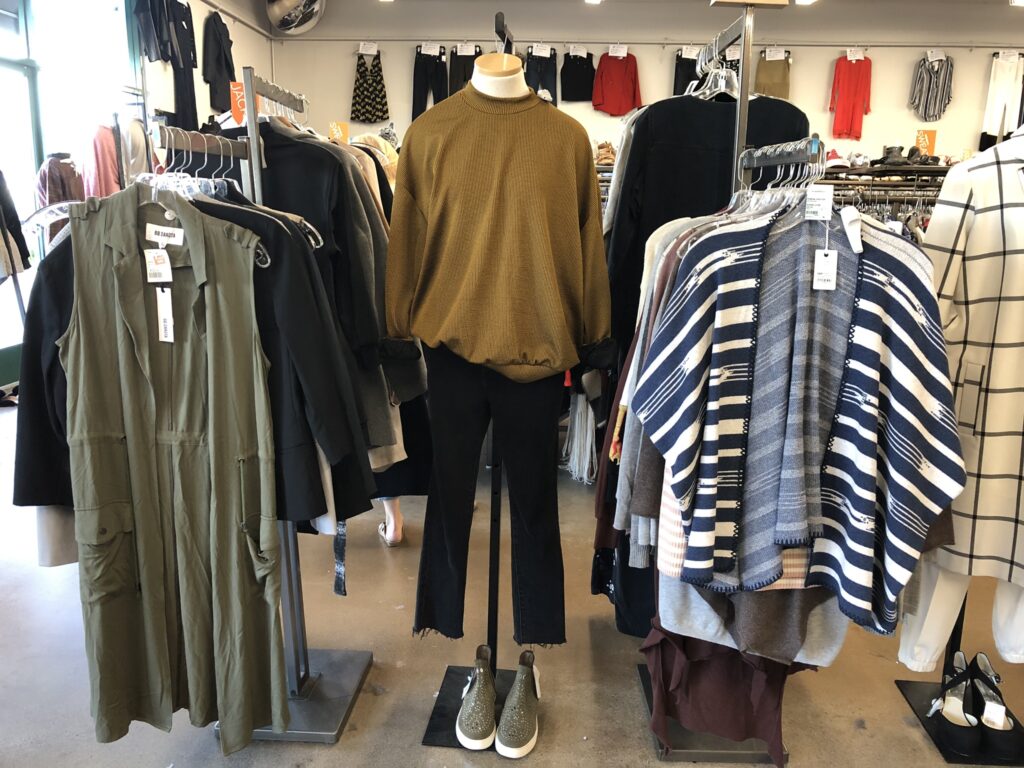
I don’t shop much, but when I do I always try to go secondhand first. Why? Because the apparel and footwear industries account for 8-10% of global greenhouse gas emission (more than air travel and shipping combined! yikes!). In fact, it is the second largest polluter in the world, just after the oil industry. 108 million tons of non-renewable resources are used each year to produce clothing.

If we recycle unused clothes, that means we won’t be paying the price in the future. Buying secondhand helps keep textile waste out of our landfill and give clothes a longer lifespan. Aside from landfills there’s damage to the environment, loss of habitat for animals, and pollution of natural resources. (I’ll get into this in a future post..stay tuned!)

Buying secondhand also helps the community and builds a culture of recycling. Recycling clothes becomes a resource to people while helping those in need and the environment. It also saves you money. Shopping secondhand means that whatever price you pay is only a portion of the original price.

Secondhand fashion is a good way to deal with textile waste. When we wear an item that has already been produced, we are giving it a new life. In the long run, repurposing these items will help us slowly diminish waste in our own life.

Similar Posts

  • Plastic Free July

    Have you heard of Plastic Free July? It started as a small movement in 2011 in Australia and has since expanded to over 150 cities with millions of participants. Plastic Free July aims to challenge people to not use any single-use plastics during the month in hopes to help them form more sustainable habits that…

  • |

    My low waste journey

    My low waste journey started out by accident. I found the low waste movement through my love for the Earth and obsession with ‘saving the planet.’ Ever since I was a little girl, I’ve always been very conscious of preserving natural resources, protecting our biodiversity, and leaving a small carbon footprint. This stems from two…

  • Reusable food wrap

    One household will go through about 24 (standard) rolls of saran wrap per year! Which translates to about 9,600 feet of plastic! Plastic wraps harms the environment and our health Most plastic wraps are now made with low-density polyethylene (LDPE) or polyvinylidene chloride (PVDC). LDPE and PVDC don’t adhere as well as plastic wraps made…

  • Plastic, paper, reusable. What kind of bag should you choose?

    Plastic bags are derived from petroleum. Petroleum is a finite resource, and as it becomes increasingly limited, obtaining it becomes increasingly damaging to the environment. It is estimated that about 12 million barrels of oil are used in making the plastic bags used in the US annually. Majority of plastic bags end up as deadly…

  • Upcycled plastic fashion trend

    Many fashion brands are now using plastic water bottles or other upcycled plastic sources for their clothing. If you’re thinking, ‘Great! There’s a more responsible option.’ I’m sorry to burst your bubble. Clothing made from any kind of plastic do more harm for the environment than good. How does it do more harm than good?…