Art and climate change
In this day and age, we have the ability to stay connected to everyone and everything. We have access to so much information. Yet we are more disconnected from the world, more uninformed than ever. We live in dissonance.
From ‘natural disasters’ to human caused climate drivers, the root cause for extreme climate events is human greed. It’s undeniable that the needs of the Earth and importance in preserving and protecting it have been slowly stripped away in favor of those increased human needs and desire, causing irreparable damage to the environment. This societal shift is anthropocentrism and when human beings make decisions using this mindset, it reduces the world around them to only having instrumental value. Why do we think that we can destroy acres upon acres of land and push people out of their homes for agricultural gains?
Even worse, the media chooses not to cover these horrific events, and people either do not care about tragedies happening around the world, or they are so oblivious to what’s going on. I hope it’s the latter.
Thankfully, there are those who care and are doing what they can to spread awareness and protect our home. We need more people like this.
Artists in Yogyakarta
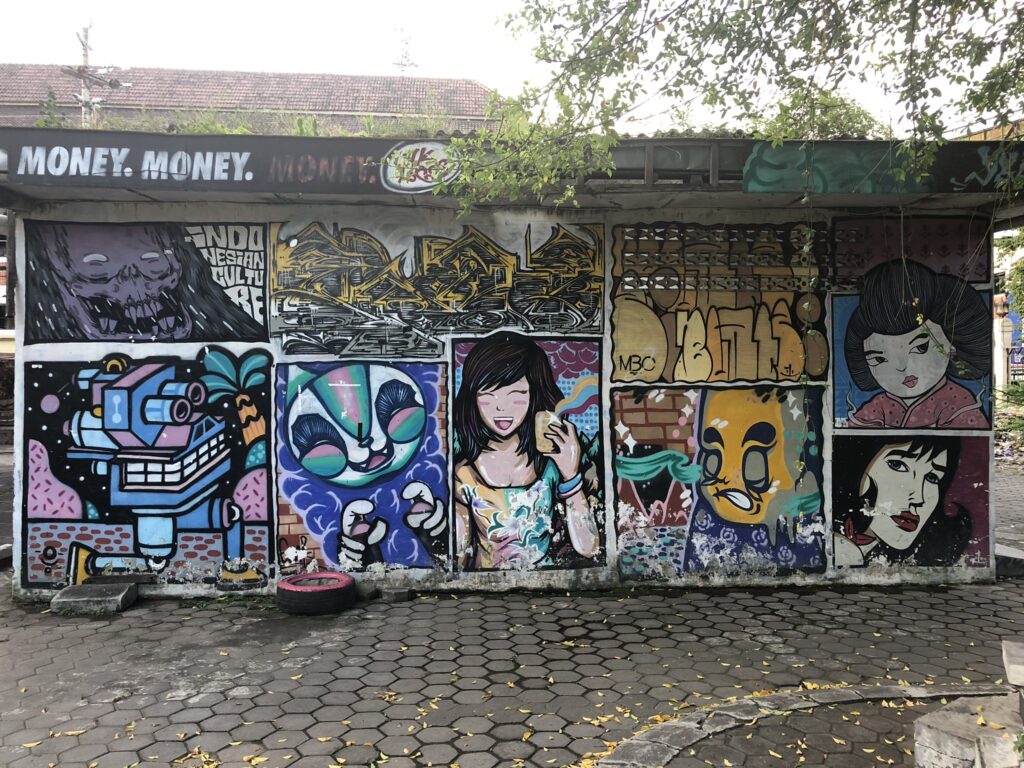
When I was in Yogyakarta a few months ago, I visited many galleries and art collectives and learned a lot about the Indonesian art culture. To them, art is an avenue to bring many controversial and major topics to light. (I find this to be true for many art cultures. Every time I travel to a new city the one thing I do is check out the art scene and try to connect with local artists.) One of them, the climate crisis. As an art enthusiast and a designer, I applaud these young artists on their drive and passion to bring awareness to issues that are commonly buried because the government does not want us to know about these things. With social media and the like, artists today have the ability to share their work and their message with a broader audience. Art can inspire viewers toward action.
Stay informed
Maybe art isn’t your outlet, but whatever it is I encourage you to tune in and stay connected to what’s going on. Many incredible individuals are using their skills to tell stories about the climate crisis, show the threats of climate change, and offer solutions. The information is out there, we just need to open our eyes and our minds.
We live in a unique time where technology has advanced at such a stellar pace that it’s enabled humanity to do many wonderful feats, and we can utilize this resource for the greater good of humankind. The next time you’re on your phone consuming mindless content, try to seek out this type of information and see what you can do to make the world a better place.