Avocado and the climate
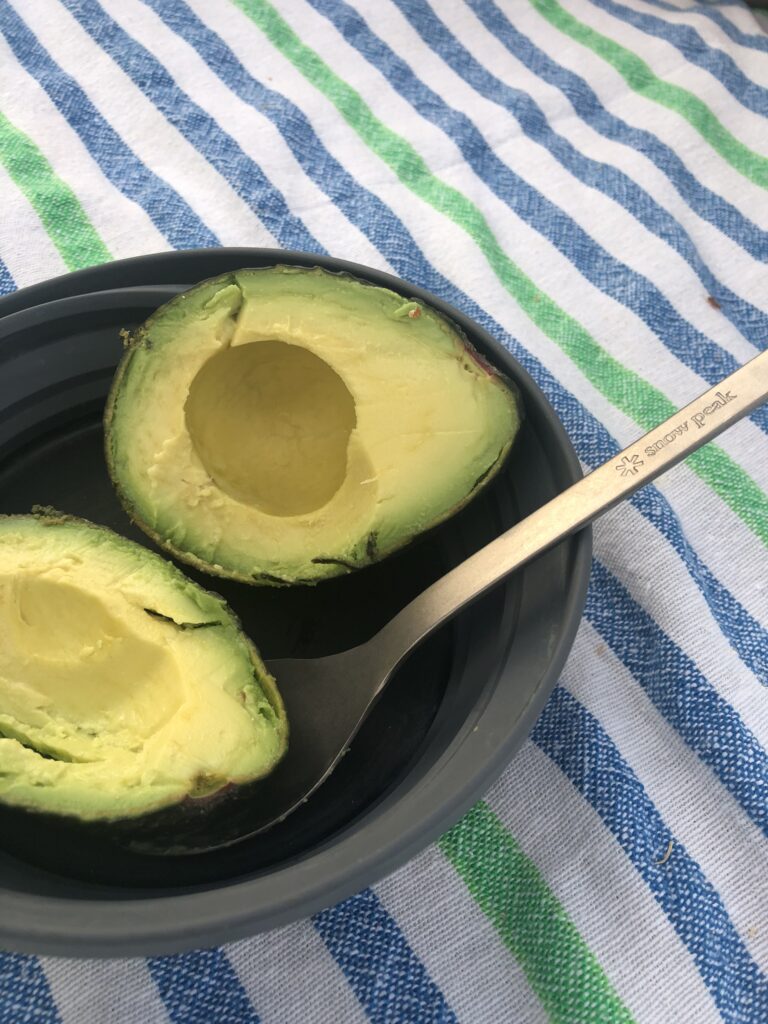
We all(?) love avocado. But do we know about the environmental impacts of this incredible fruit on our planet? Let’s take a look.
Avocados differ from other fruits (and vegetables) because they require a lot of water to grow. Ironically, they are often grown in regions that face water scarcity. i.e. California. In addition, global production is growing rapidly to meet demand, doubling over the past two decades, which has been linked to deforestation, environmental degradation of land, and increased greenhouse gas emissions.
What are the environmental impacts?
The environmental impacts from avocados come from the energy, water, fertilizer, and pesticide required to grow them. The resources used for packaging materials and the energy used in processing, transporting, and keeping them cool to preserve their freshness also take a toll on the environment. Some of the biggest markets for avocados are where they aren’t grow, like the UK, northern Europe, etc. In the US, the majority of avocados come from California, Florida, and Hawaii. However, due to the the increased consumption in the nation today, over 80% of the avocados in the US come from other countries, primarily Mexico. The further away fruits and vegetables are eaten from where they are grown, the bigger the environmental impact.
Should I stop eating avocado altogether?
The bright side: avocados are still one of the better food options from an environmentally friendly point of view when compared to food derived from animals. So avocados tend to have a lower carbon footprint than eggs, and it can be under half the footprint of bacon for similar amounts, if you are putting something on toast in the morning.
But how can we make avocados more eco-friendly? Buy from farmers that grow crops in a more sustainable way, such as minimizing fertilizer, pesticide, and water use and adopting modern agricultural technology to improve efficiency and reduce emissions. Buying local will also help lower the carbon footprint. And once you’ve bought an avocado, make sure you consume it (and compost the skin and seed) so that it doesn’t go to waste.