Happy 50th, Earth Day
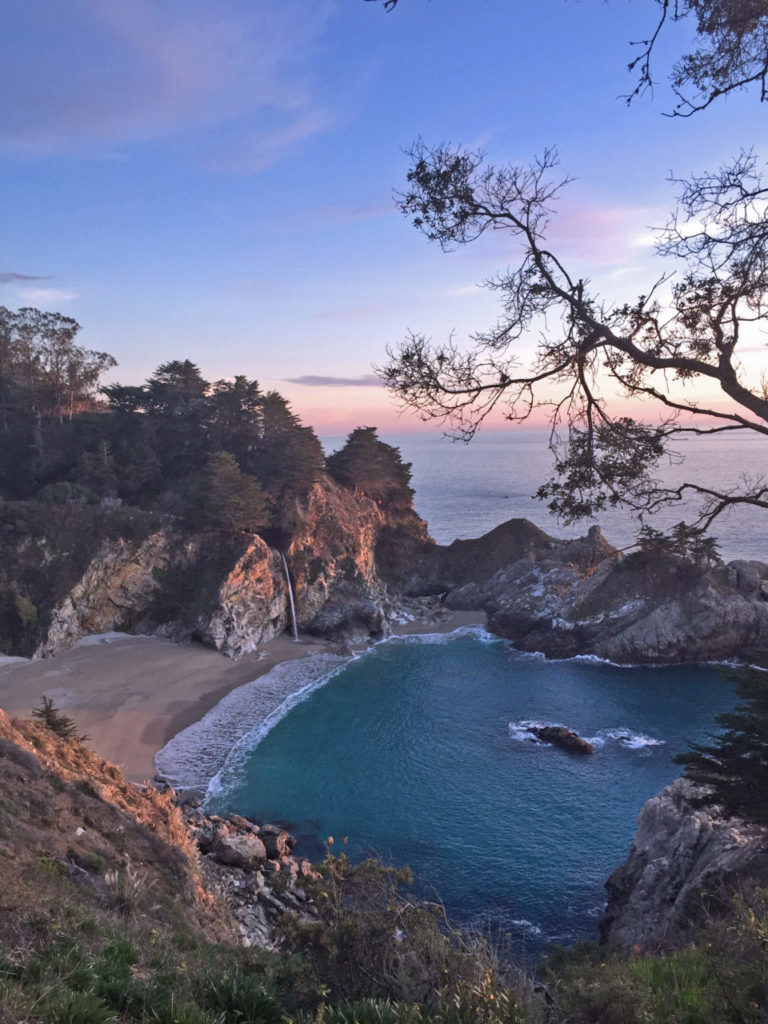
I love that the environmental movement is growing and the collective consciousness around that has risen. So many people showed their love for Mother Earth on April 22. But just like it’s not enough to tell people that you love them, it’s not enough to just say that you love Mother Earth. You gotta show that you love her, you gotta take action to preserve her. I hope that we all continue to remember how precious this little blue planet is.. EVERY. SINGLE. DAY.
The launch of the environmental movement
The first Earth Day took place on April 22, 1970, mobilizing 20 million Americans to get involved in massive and peaceful demonstrations, which launched the modern environmental movement and spurred the passage of national, state, and local policies. Since then, Earth Day has gone global, embedding environmental consciousness in nations around the world. Today, and every day, let’s rededicate ourselves to restoring our planet and confronting the causes of climate change.
Impacts of climate change
The impacts of climate change are numerous. Limited natural resources are likely to become even more scarce in many parts of the world. Hundreds of millions of people will be exposed to water stress, such as droughts and lack of water or flooding, mudslides etc. Crops struggle to survive in climate change hotspots where conditions become too hot and dry, or too cold and wet, exacerbating food insecurity. A decrease in crop yields increases the likelihood that an additional tens of millions of people will be at risk of hunger.
Supercharged storms, more intense droughts, rising seas, and other impacts of climate change all magnify existing vulnerabilities and the likelihood of displacement. This disproportionately affects low-income countries, women, children, and indigenous groups. While most causes of displacement triggered by climate change are not new, their frequency and magnitude have increased and are likely to continue to worsen. New displacement patterns and competition over depleted natural resources can spark conflict between communities and compound pre-existing vulnerabilities.
Climate change is already forcing people to flee their homes, and putting many more at risk of displacement in the future. Many, if they’re lucky enough to have the means to do so, are relocating to survive. Two filmmakers, Dana Richardson and Sarah Zentz, documented their story when they had to leave their home in Big Sur due to the biggest coastal landslide in California’s history. Their story, told through the perspective of their dog (now more of you will want to watch, right?) in California Landslide, reminds us of the social and environmental impact of natural disasters on nature, animals, and humans and encourages us to take action. Learn more here.